We Make Every Surface
Rise & Shine.
Professional residential, commercial, and industrial water blasting services across Christchurch and Queenstown. Safe, fast, and eco-friendly exterior cleaning.
Professional Water Blasting & Exterior Cleaning in Christchurch & Queenstown
We're a locally owned, fully insured team delivering professional water blasting and exterior cleaning for homes and businesses across Christchurch and Queenstown.
Whether your driveway has gone green, your deck is looking tired, or your roof has seen better days — we're here to sort it with a good blast and a smile. Think of us as your go-to crew for making the outside of your place look brand new.
Using advanced equipment and eco-friendly techniques, we powerfully remove mould, grime, algae, lichen, and years of stubborn dirt from driveways, roofs, decks, gutters, fences, and walls.
"Your surfaces shall rise and shine — just as our name promises."
Our Exterior Cleaning Services
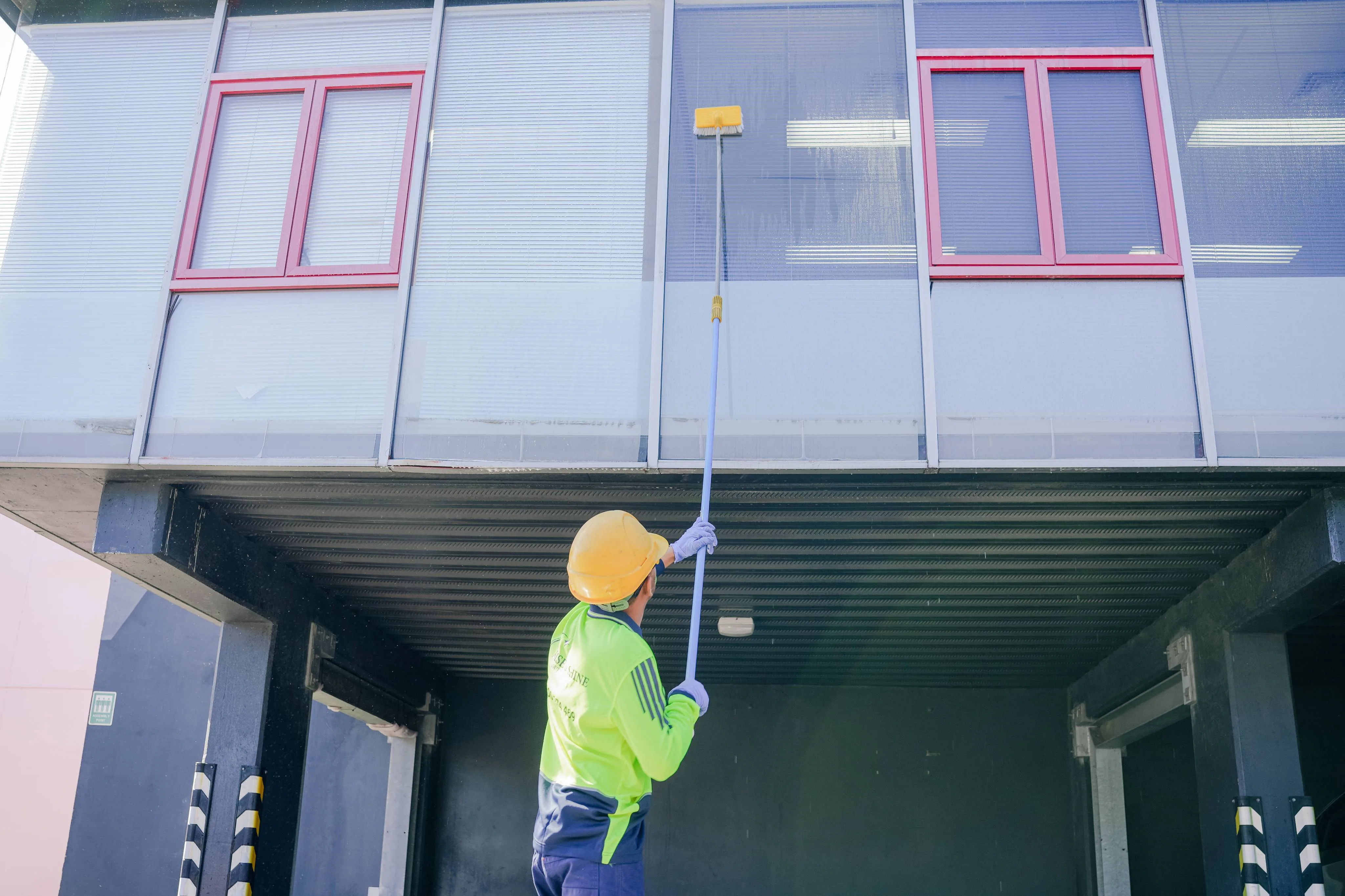 Soft Wash
House Washing
Complete exterior house washing that removes grime, mould, and algae, leaving your cladding looking brand new.
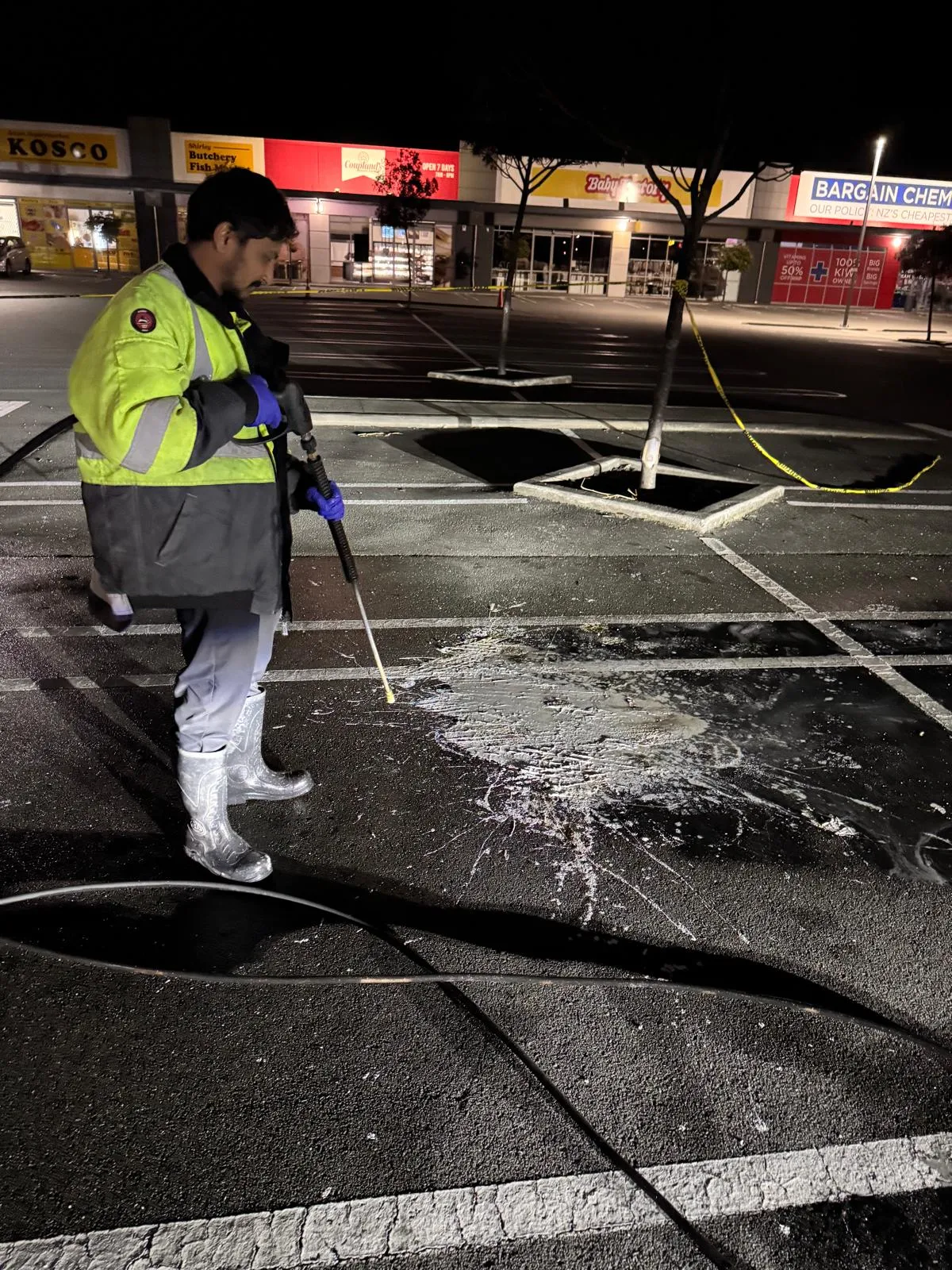 High Pressure
Driveway & Pathway Cleaning
High-pressure driveway and path cleaning that removes oil, stains, moss, lichen, and built-up grime.
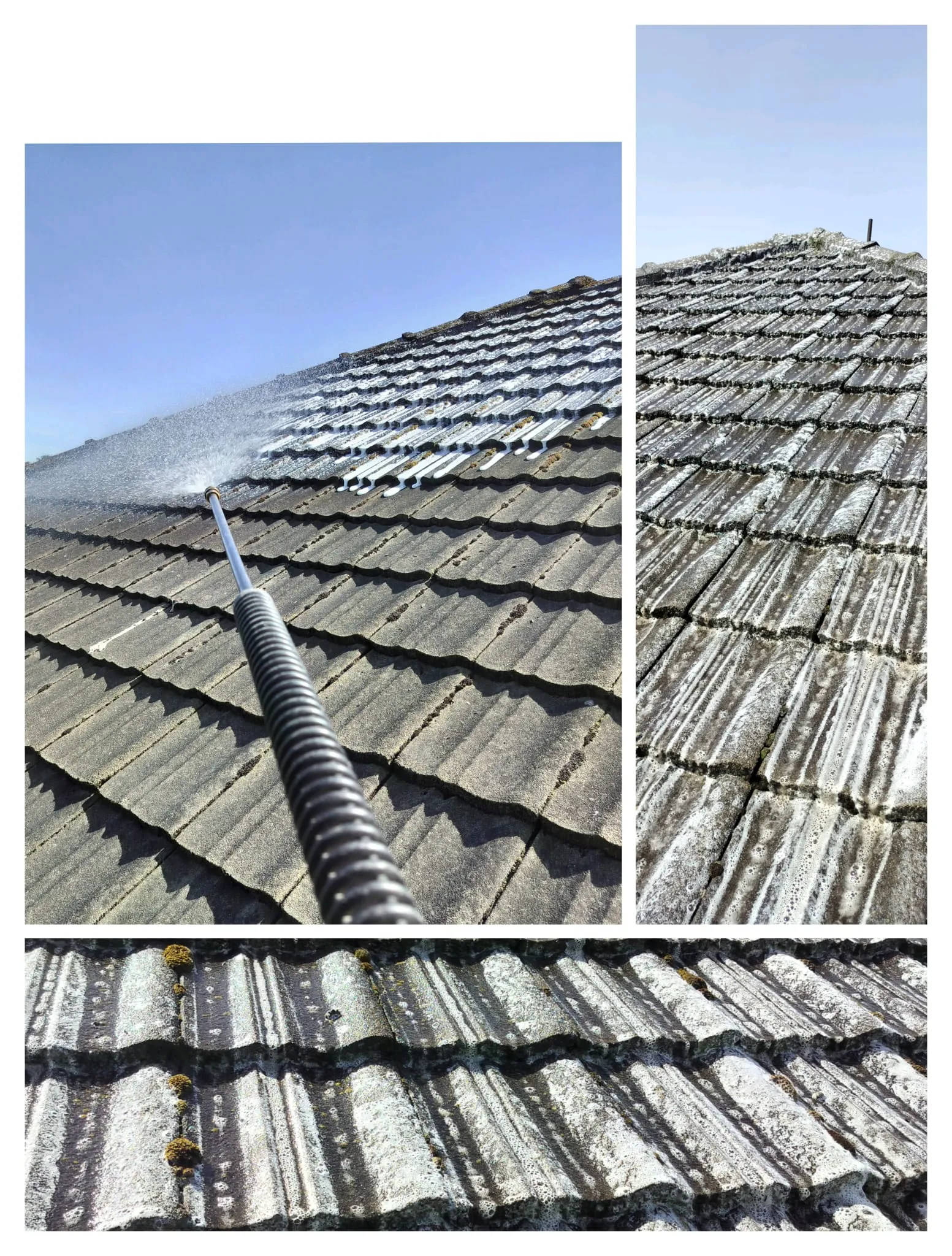 Lichen Treatment
Roof Washing & Lichen Removal
Safe and effective roof washing that removes lichen, moss, and algae to extend your roof lifespan.
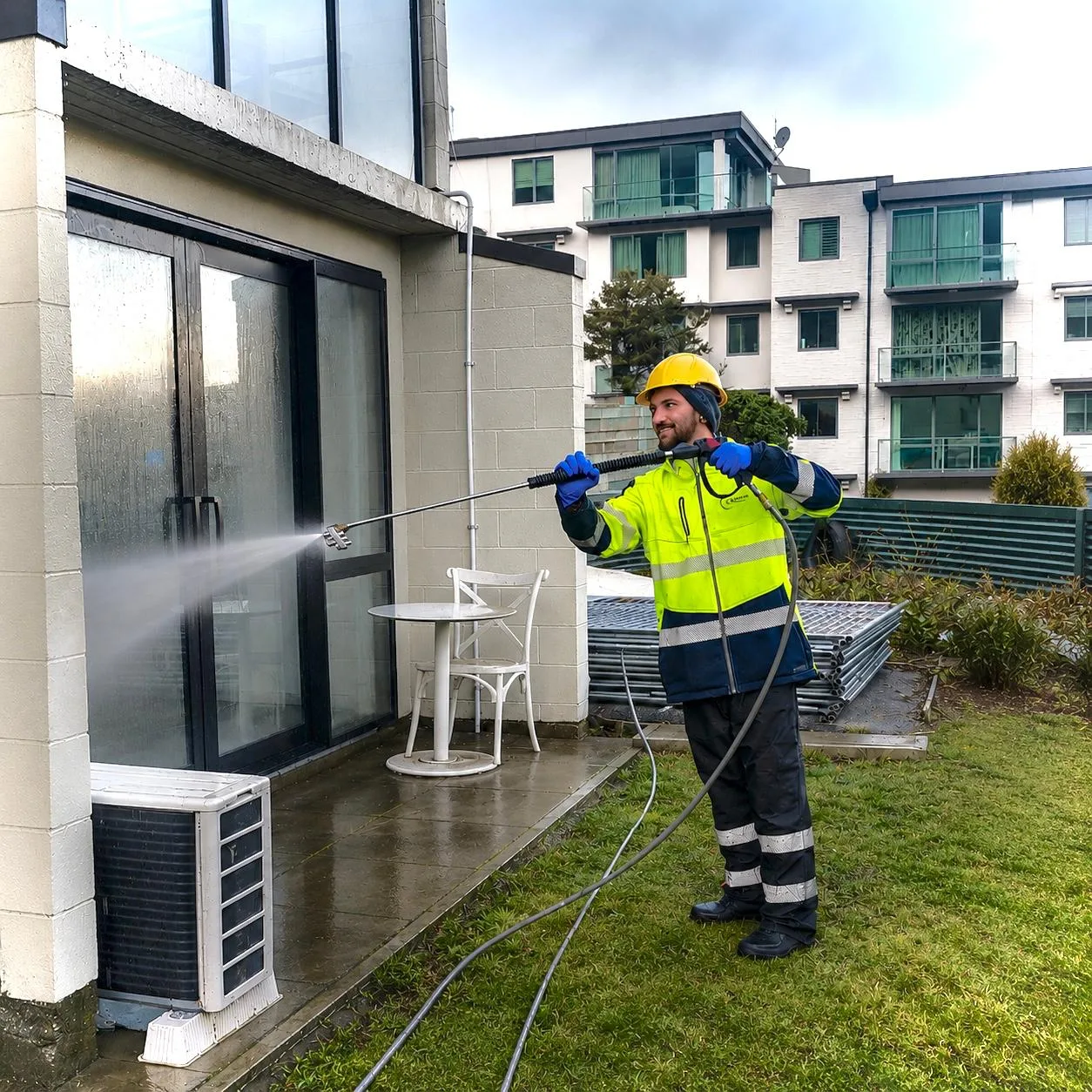 Restoration
Deck & Patio Restoration
Restore your outdoor entertaining spaces to their original beauty with expert deck and patio cleaning.
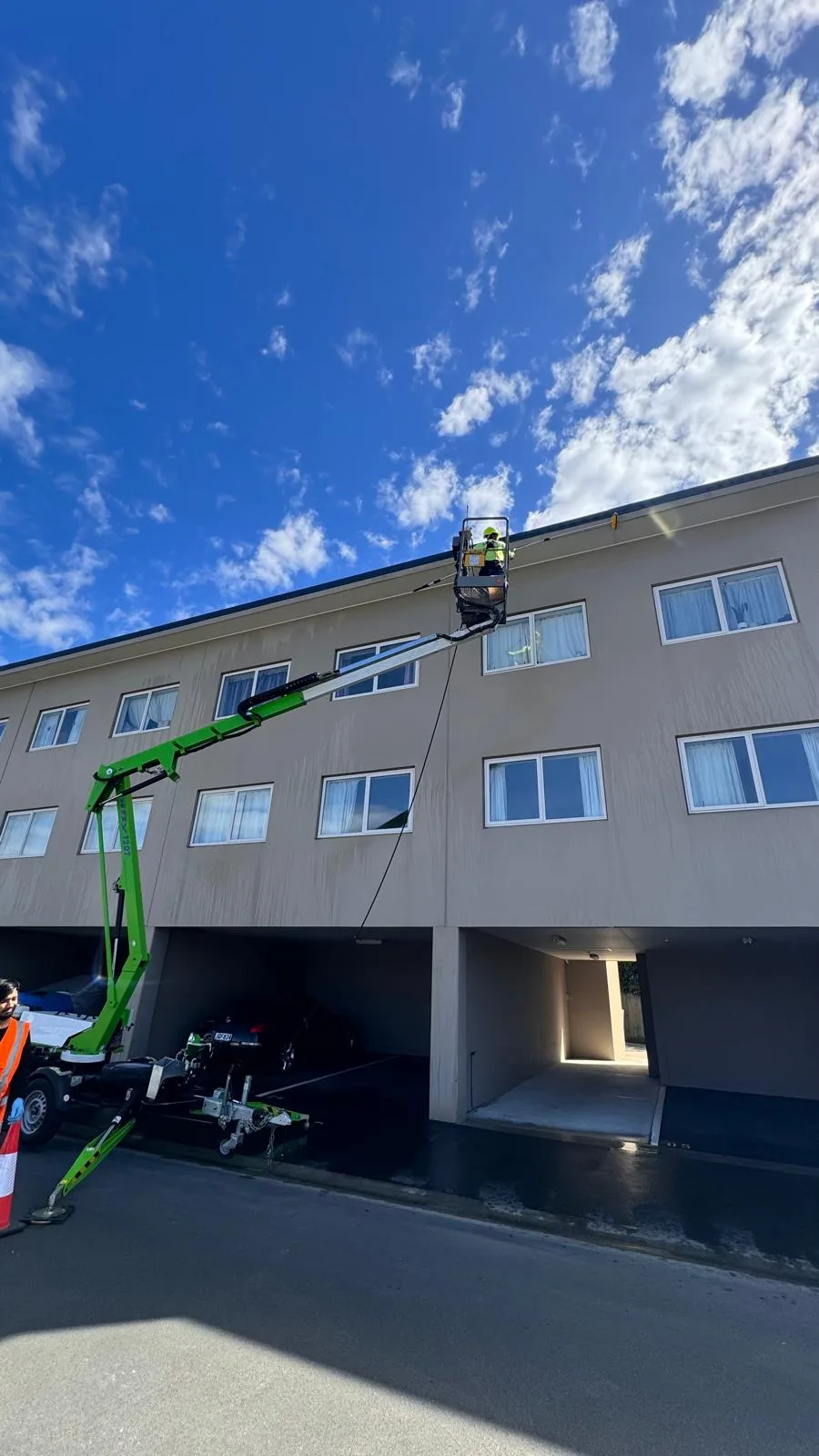 Commercial Grade
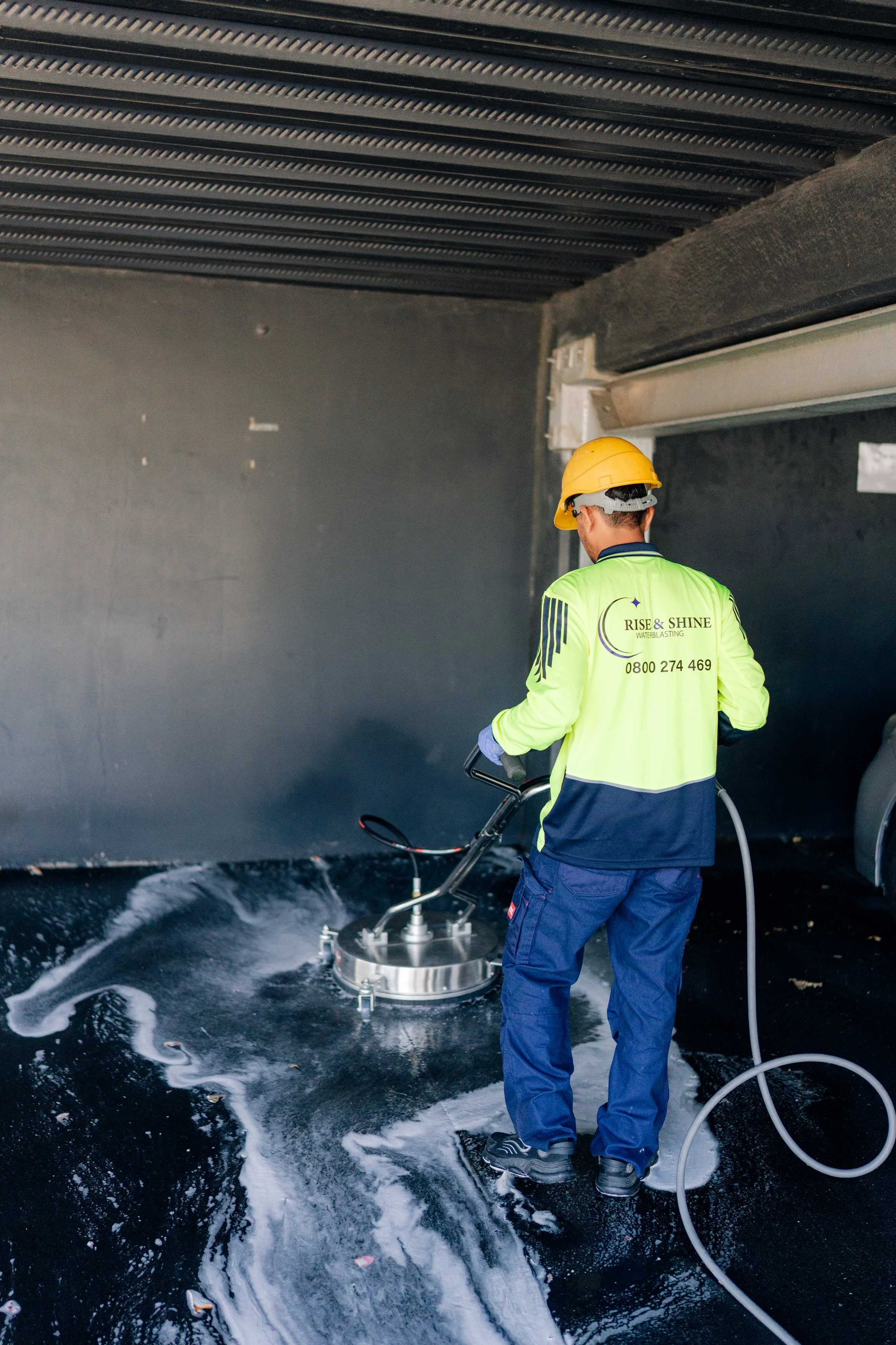
Commercial Exterior Cleaning
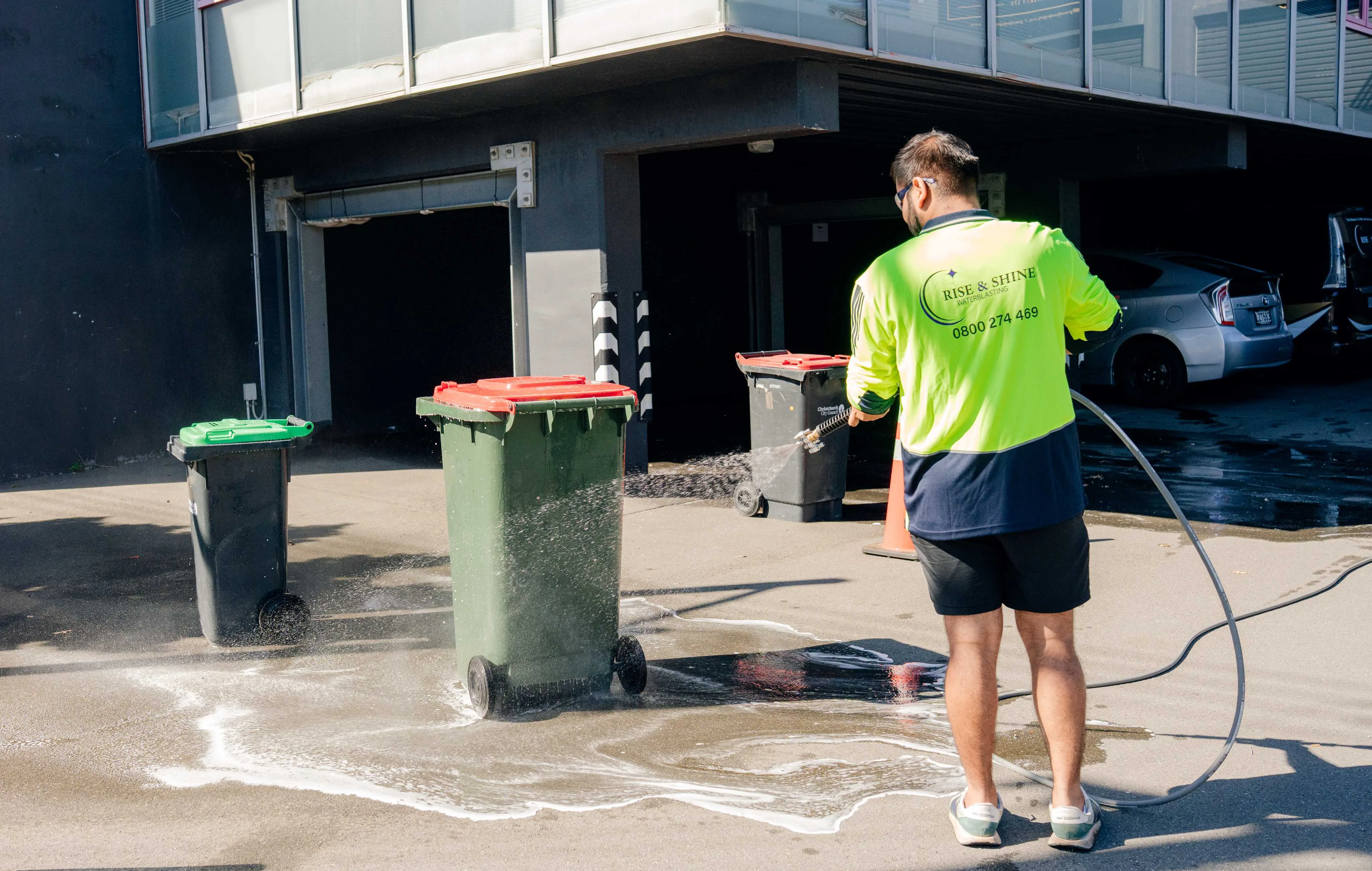
Professional exterior cleaning for commercial buildings, retail spaces, car parks, and industrial sites.
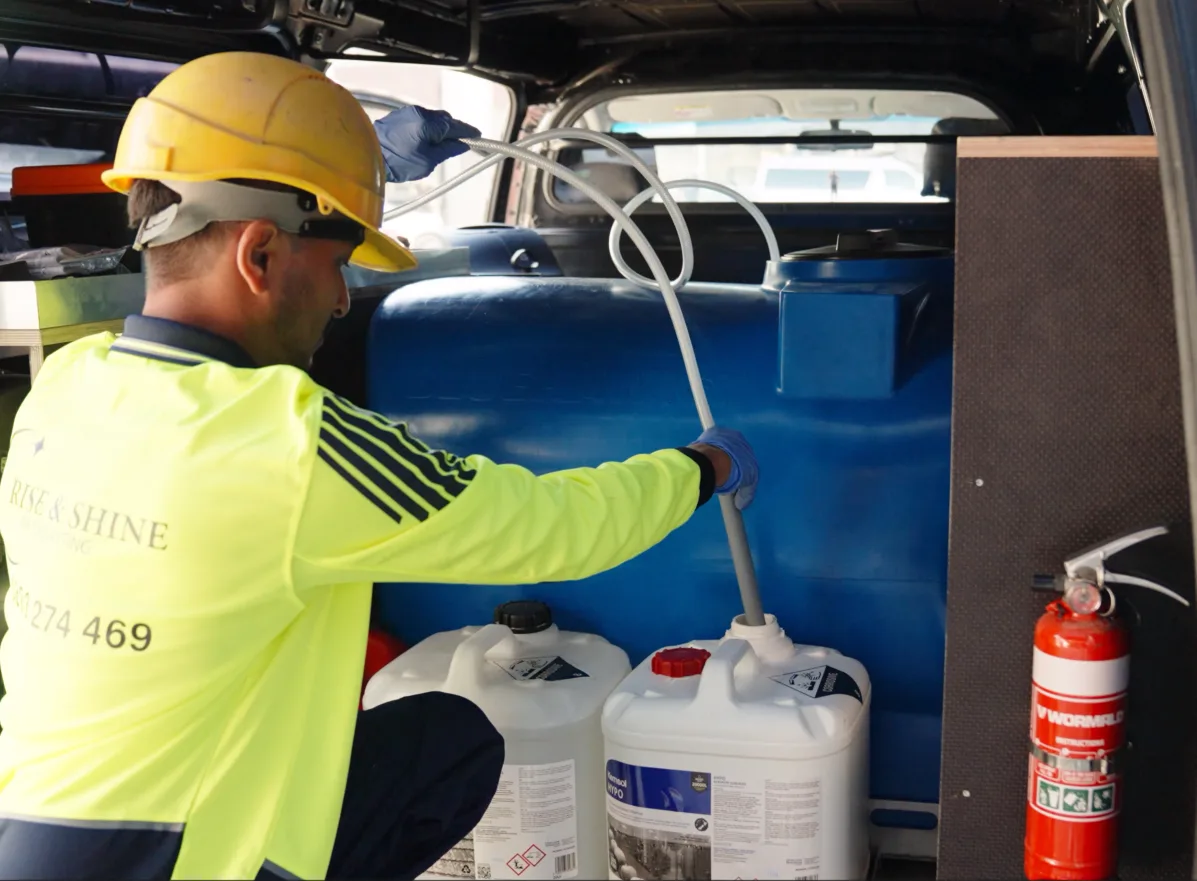 Maintenance
Gutter Cleaning
Thorough gutter cleaning and flushing to prevent water damage and keep your drainage working smoothly.
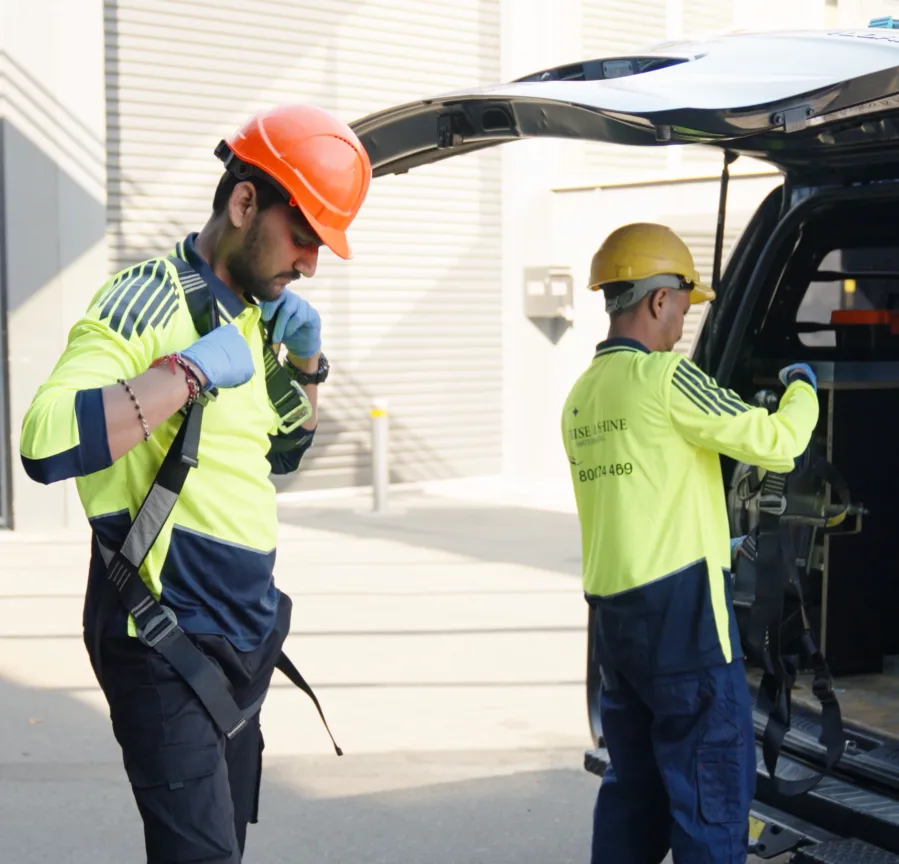
Why Choose Rise & Shine?
We don't just clean — we restore and protect your property. Our commitment to excellence sets us apart.
Fully Insured
We carry full public liability insurance so your home or commercial property is completely protected.
5-Star Rated
Consistently rated 5 stars by happy residential and commercial clients across Google reviews.
Prompt & Reliable
We show up on time, every time. Your time matters as much as our quality of work.
Competitive Pricing
Transparent, fair pricing with zero hidden fees. Free no-obligation estimates always.
Experienced Team
Our trained technicians bring years of specialized water blasting and soft-wash expertise.
Serving Christchurch & Queenstown
Rise & Shine Water Blasting provides local coverage across Canterbury and the Queenstown Lakes District.
Christchurch
Servicing all Christchurch suburbs, North Canterbury, Selwyn District, Rolleston, Lincoln, Rangiora, Kaiapoi, and Banks Peninsula.
Queenstown
Servicing Queenstown Central, Frankton, Arrowtown, Wanaka, and the wider Queenstown Lakes District.
Frequently Asked Questions
Have questions about our professional water blasting services? We have answers.
How much does water blasting cost in Christchurch or Queenstown?▼
Pricing depends on property size and surface condition. We offer free, no-obligation quotes to provide an exact price for your specific needs.
Is high-pressure washing safe for house cladding?▼
Yes — we use a specialized 'Soft Wash' technique for delicate house cladding. This uses low-pressure water combined with eco-friendly cleaning solutions to safely remove grime without causing surface damage.
How often should I have my driveway or house cleaned?▼
For most South Island properties, we recommend a professional wash every 12 to 18 months to prevent moss, lichen, and algae buildup.
Do you offer commercial exterior cleaning services?▼
Yes. We clean commercial buildings, retail storefronts, industrial facilities, car parks, and body corporate complexes in both Christchurch and Queenstown.
Ready to Get Started?
Contact us today for a free, no-obligation quote. We'll have your home or commercial property looking its absolute best.